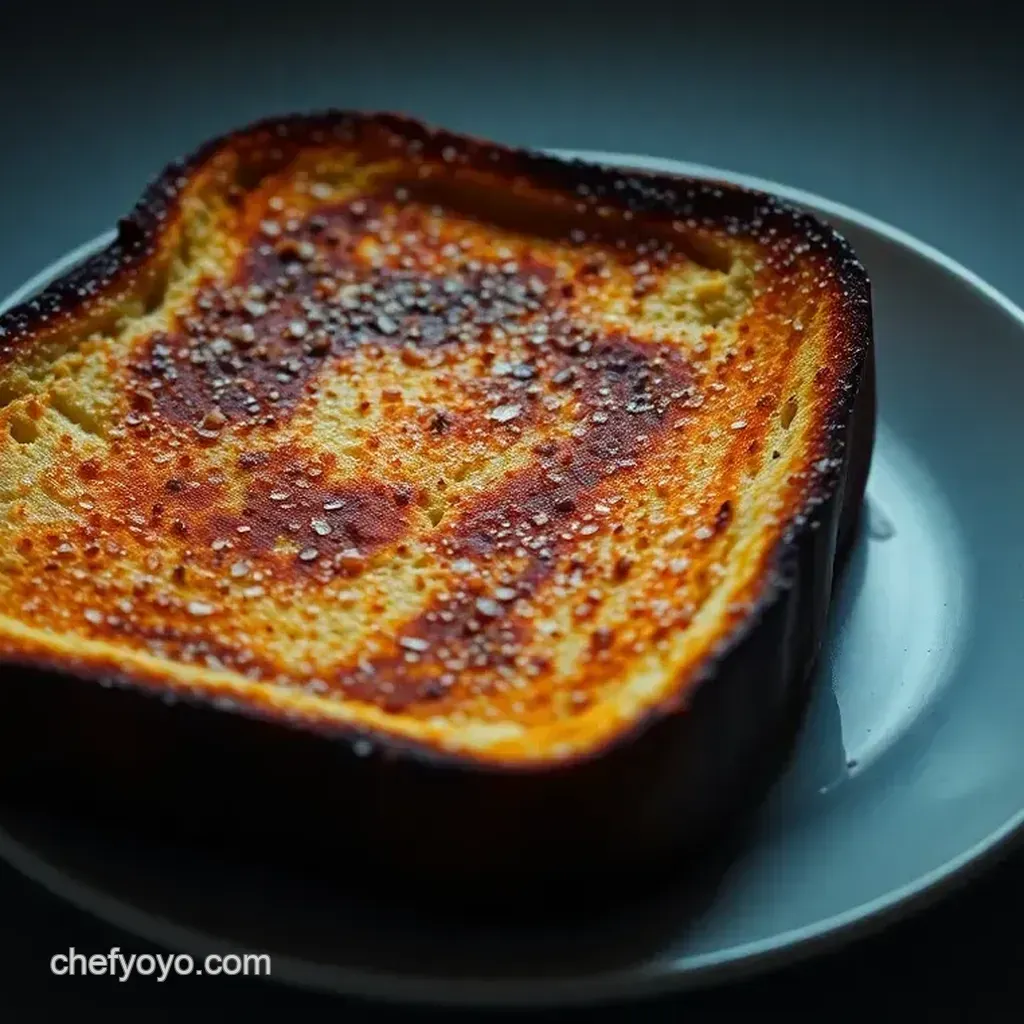
There are few culinary delights that capture the essence of a relaxed weekend morning quite like a plate of perfectly prepared french toast. Imagine golden-brown slices, delicately crisp on the outside, custardy soft within, and drizzled generously with warm maple syrup. It's more than just a breakfast; it's an experience, a ritual that promises comfort and joy. If you're searching for that quintessential "Sunday morning favorite" recipe that consistently delivers tender, fluffy, and utterly indulgent results, you've landed in the right spot. This article will guide you through crafting the best french toast of your life, delving into the secrets of perfect ingredients, expert preparation, and even clever storage hacks to ensure you can savor this treat any day of the week.
Unveiling the Ultimate French Toast Experience
Our journey to the perfect french toast begins with a commitment to quality and simplicity. This isn't a complicated recipe requiring exotic ingredients or advanced techniques. In fact, the magic happens with just a handful of staples you likely already have in your kitchen. This particular recipe has garnered widespread acclaim, earning thousands of rave reviews for its straightforward approach and phenomenal flavor. Home cooks consistently praise it as a "definite keeper" and, as the title suggests, a true "Sunday morning favorite." It's a testament to the idea that sometimes, the most exquisite dishes are born from the simplest foundations. Let's dive into what makes this french toast stand out, starting with its core components.
The Foundation: Choosing Your Perfect Bread
The bread forms the backbone of your french toast, and selecting the right kind is paramount to achieving that coveted texture. While many varieties can work in a pinch, certain types excel at absorbing the rich custard without becoming soggy or falling apart. The best breads for french toast are typically:
- Brioche: Its rich, buttery flavor and soft, open crumb make it a luxurious choice, yielding an incredibly tender french toast.
- Challah: Similar to brioche, challah is an egg-rich bread that offers a wonderful softness and a beautiful golden hue.
- Sourdough: For those who appreciate a slight tang, sourdough provides a robust structure and a complex flavor profile that beautifully complements the sweet custard.
- French Bread (Baguette): A classic choice, its sturdy crust and airy interior absorb the custard well, especially when sliced thicker.
These varieties are dense and sturdy, capable of handling full saturation in the wet, milky, egg mixture. However, don't despair if these aren't readily available! Any thick-sliced white bread can certainly do the trick. A crucial tip often overlooked is the benefit of using day-old slices. Slightly stale bread has less moisture, making it far more absorbent and preventing your french toast from turning out watery. This also serves as a fantastic way to prevent food waste – a delicious win-win! That said, if you only have fresh bread, it will work just fine; just be mindful not to over-soak. For more in-depth insights into bread selection, check out Your Guide to Golden French Toast: Ingredients & Bread Secrets.
The Custard: Essential Ingredients for Golden Perfection
While every home cook may have a unique twist, the fundamental french toast custard relies on a few core ingredients that create its signature rich and creamy texture:
- Eggs: The stars of the show, eggs are indispensable. Their proteins solidify upon heating, binding the batter together and contributing to that rich, cohesive texture. The yolks, in particular, lend a beautiful creaminess and golden color.
- Milk: While you can technically use other liquids, milk is the most popular choice, and for good reason. It provides essential moisture, and its fat content adds incredible richness. This recipe often calls for whole milk for its ideal texture, but you can easily substitute half-and-half, cream, or your favorite full-fat alternative milk for similarly creamy results.
- Vanilla Extract: Optional but highly recommended! A dash of pure vanilla extract infuses your french toast with a warm, aromatic sweetness that elevates the flavor profile significantly.
- Ground Cinnamon: Like vanilla, cinnamon is a non-negotiable for many french toast enthusiasts. Its cozy, sweet spice complements the other flavors perfectly, adding depth and a comforting aroma. Feel free to experiment with a pinch of nutmeg or a tiny bit of granulated sugar in your custard for an extra touch.
- Salt: Don't skip this! A mere pinch of salt might seem insignificant, but it plays a vital role. It helps to break down the proteins in the eggs, ensuring they are thoroughly incorporated into the batter, preventing any unwelcome "egg chunks" in your finished product. It also subtly enhances all the other flavors without making the french toast taste salty.
- Butter (for cooking): While not part of the custard, butter is crucial for frying. Cooking your french toast in a hot pan with melted butter yields that irresistible golden-brown crust and a rich, nutty flavor that oil alone can't quite replicate.
Crafting Your Culinary Masterpiece: Step-by-Step Perfection
Once you have your ingredients ready, making french toast is a surprisingly quick and satisfying process. The key is to work efficiently and pay attention to a few details:
- Prepare the Custard: In a shallow dish or pie plate (wide enough to accommodate a slice of bread), whisk together your eggs, milk, vanilla, cinnamon, and salt until completely smooth and well combined.
- Slice the Bread: Aim for slices that are about ½ to ¾ inch thick. Thicker slices will hold up better to soaking and give you that satisfying custardy interior.
- Soak the Bread: Dip each slice into the custard, allowing it to soak for about 15-30 seconds per side. The exact time depends on the freshness and thickness of your bread. You want the bread to be fully saturated but not dripping wet, which could lead to soggy french toast.
- Cook to Golden Perfection: Heat a non-stick skillet or griddle over medium heat. Add a knob of butter and let it melt and sizzle. Place your soaked bread slices into the hot pan, ensuring they don't overcrowd it. Cook for 2-4 minutes per side, or until beautifully golden brown and cooked through. The internal temperature should reach about 160°F (71°C) to ensure the eggs are fully cooked.
- Serve Immediately: French toast is best enjoyed fresh off the pan.
For a complete, easy-to-follow guide, including precise measurements, be sure to check out The Internet's Best French Toast: Easy 5-Ingredient Recipe.
Beyond the Plate: Creative Toppings and Pairings
While classic french toast is undeniably delicious with just butter and a generous pour of warm maple syrup, the topping possibilities are endless. Think of your golden french toast as a culinary canvas awaiting your personal touch. Here are some ideas to elevate your experience:
- Fresh Berries: A vibrant mix of strawberries, blueberries, raspberries, or sliced bananas adds natural sweetness, a burst of color, and essential nutrients.
- Whipped Cream or Ice Cream: For an extra indulgent treat, a dollop of freshly whipped cream or a scoop of vanilla bean ice cream is divine.
- Fruit Compotes or Sauces: Homemade berry compote, apple pie filling, or even a decadent chocolate sauce can transform your french toast into a dessert-like experience.
- Nuts and Seeds: A sprinkle of chopped pecans, walnuts, or sliced almonds adds a delightful crunch and nutty flavor.
- Powdered Sugar: A simple dusting of confectioners' sugar adds elegance and a subtle sweetness.
- Savory Pairings: Don't forget the savory side! Crisp bacon, breakfast sausage, or a side of scrambled eggs perfectly complement the sweetness of the french toast.
Smart Storage & Freezer Hacks: Enjoying French Toast Anytime
One of the best things about homemade french toast is that it freezes beautifully, allowing you to enjoy this delicious breakfast treat any day of the week, even on the busiest mornings. Here are our best storage secrets and freezer hacks:
- Cool Completely: Before storing, ensure your cooked french toast slices are completely cooled to room temperature. Storing warm french toast will create condensation, leading to sogginess and potential ice crystals in the freezer.
- Refrigeration: For short-term storage (1-2 days), place cooled french toast slices in an airtight container or a resealable bag. Reheat in a toaster, toaster oven, or microwave until warmed through.
- Freezing for Longer Storage:
- Flash Freeze: Arrange cooled french toast slices in a single layer on a baking sheet lined with parchment paper. Place the baking sheet in the freezer for 1-2 hours, or until the slices are solid. This prevents them from sticking together.
- Package: Once flash-frozen, transfer the solid slices to a freezer-safe, airtight container or a heavy-duty freezer bag. You can stack them with small pieces of parchment paper in between if desired, though flash-freezing often makes this unnecessary. Remove as much air as possible from the bag to prevent freezer burn.
- Label and Date: Always label your container or bag with the contents and the date. Frozen french toast is best consumed within 1-2 months for optimal taste and texture, though it can remain safe to eat for longer.
- Reheating from Frozen:
- Toaster/Toaster Oven: This is arguably the best method for regaining a crispy exterior. Pop frozen slices directly into a toaster or toaster oven set to a medium-low setting until heated through and golden.
- Oven: Preheat your oven to 350°F (175°C). Place frozen french toast slices on a baking sheet and bake for 10-15 minutes, or until warmed through. This is great for reheating larger batches.
- Microwave (least preferred): While quick, the microwave tends to make french toast soft and sometimes rubbery. If using, microwave for 30-60 seconds per slice, checking frequently, but be aware it won't yield a crispy texture.
Having a stash of homemade french toast in your freezer means a delicious, hearty breakfast is never more than a few minutes away!
From choosing the perfect loaf to mastering the delicate balance of your custard, and even extending its life through smart storage, crafting the best french toast is an incredibly rewarding culinary endeavor. It's a simple pleasure that brings warmth, comfort, and a touch of indulgence to any morning, particularly those lazy Sundays. So, gather your ingredients, follow these tips, and prepare to delight your taste buds and those of your loved ones with this truly irresistible breakfast classic.
